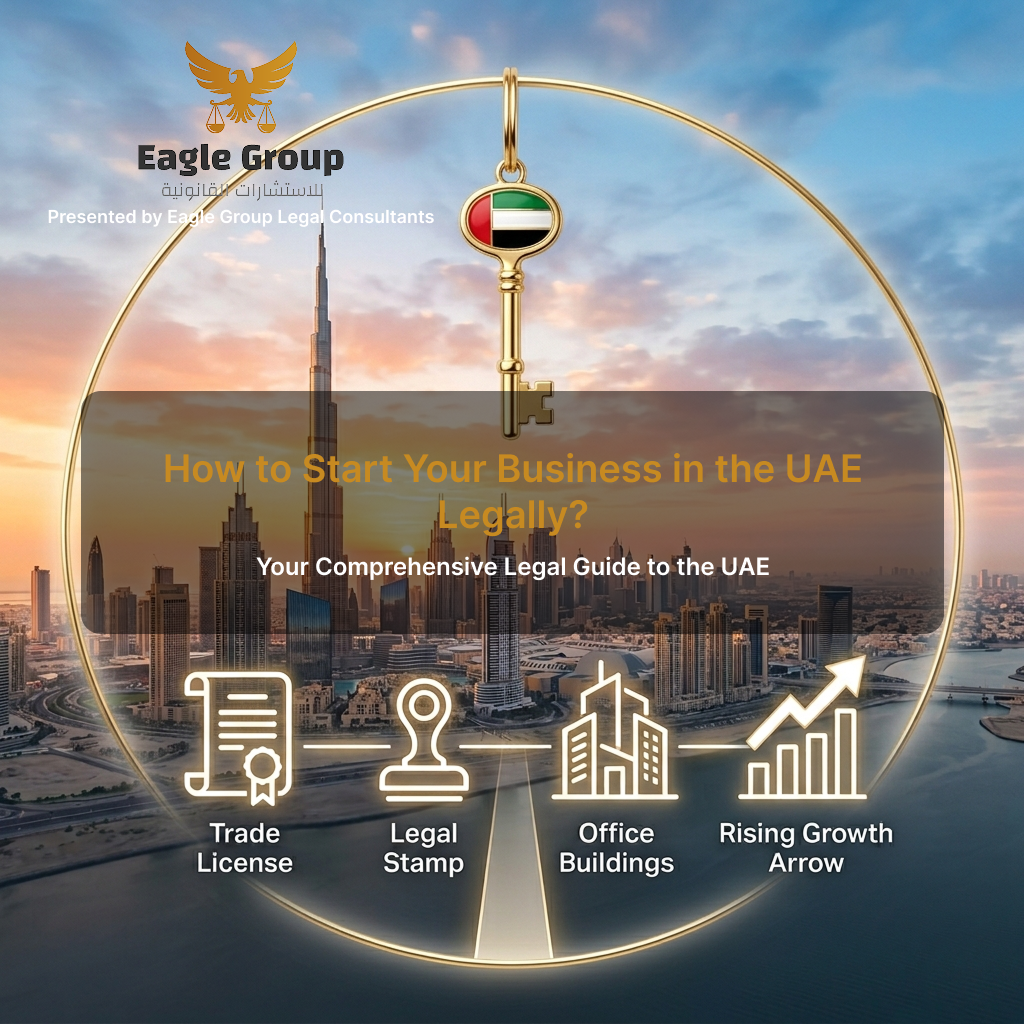
The United Arab Emirates has become one of the most attractive destinations for entrepreneurs and investors worldwide. Its strong economy, modern infrastructure, tax-friendly environment, and business-friendly regulations make it an ideal place to launch new ventures. However, success in the UAE market is not only about having a great idea or sufficient capital—it also depends on understanding and following the legal procedures correctly from the very beginning.
This guide explains step by step how to start a business in the UAE legally, covering all essential stages from choosing a business structure to obtaining a license and staying compliant with regulations.
1. Define Your Business Idea and Conduct Market Research
Before starting any legal process, you must clearly define your business idea. This includes:
- Identifying the type of business activity (commercial, service-based, industrial, or digital)
- Understanding your target audience in the UAE market
- Analyzing competitors and market demand
- Estimating startup costs and potential profitability
A solid feasibility study helps you make informed decisions and reduces the risk of failure. It also plays a key role in selecting the right legal structure and jurisdiction for your company.
2. Choose the Right Legal Structure
The UAE offers several legal structures for businesses, and selecting the right one is crucial for your success.
- Limited Liability Company (LLC): This is one of the most common options for businesses targeting the local UAE market. It allows operational flexibility and is widely used for commercial activities.
- Free Zone Company: Free zones are ideal for international businesses, e-commerce, and export-oriented companies. They offer benefits such as full foreign ownership and tax advantages.
- Sole Establishment: This structure is suitable for freelancers or small businesses owned and operated by a single individual.
Each structure comes with different regulations, ownership rules, and tax implications, so choosing the right one is essential.
3. Select Your Business Activity
Every business license in the UAE is tied to a specific activity. Common examples include:
- E-commerce
- Consulting services
- Digital marketing
- Food and restaurant services
- Construction and contracting
Selecting the correct activity is extremely important because it determines the type of license you will receive and the legal scope of your operations. An incorrect classification may lead to delays or rejection of your application.
4. Reserve Your Trade Name
Your trade name is your company’s official identity. It must comply with UAE regulations, including:
- Avoiding offensive or inappropriate terms
- Not using government-related names or symbols
- Reflecting the nature of your business activity
Once chosen, the name must be submitted to the relevant authority for approval before proceeding further.
5. Obtain Initial Approval
Initial approval from the authorities indicates that the UAE government has no objection to your business idea. However, this approval does not allow you to start operations yet. It is simply a preliminary step before obtaining the full license. During this stage, your business activity, structure, and basic documents are reviewed.
6. Prepare Legal Documents (MOA)
For many business types, especially LLCs, you will need a Memorandum of Association (MOA). This document outlines:
- Shareholders and ownership percentages
- Profit and loss distribution
- Management structure and responsibilities
- Capital details
The MOA is a legally binding document and must be properly drafted and notarized according to UAE law.
7. Obtain Your Business License
Once all previous steps are completed, you can apply for your official business license. This license is the legal permission that allows you to operate your business in the UAE. Without it, any commercial activity is considered illegal, even if it is small-scale or online.
8. Register for VAT (If Required)
If your business exceeds the mandatory revenue threshold, you must register for Value Added Tax (VAT) with the Federal Tax Authority. You are also required to maintain proper financial records and submit tax returns on time to avoid penalties.
9. Open a Corporate Bank Account
A corporate bank account is essential for running a legal business in the UAE. It helps you:
- Separate personal and business finances
- Manage transactions professionally
- Build credibility with clients and suppliers
Most banks will require your trade license and company documents before approval.
10. Common Mistakes to Avoid
Many new entrepreneurs face challenges due to avoidable mistakes, such as:
- Choosing the wrong legal structure
- Starting operations without a license
- Ignoring tax registration requirements
- Using personal accounts for business transactions
- Lack of proper contracts between partners
Avoiding these mistakes from the beginning ensures smooth operations and legal compliance.
Final Thoughts
Starting a business in the UAE is a highly rewarding opportunity, but it requires careful planning and strict compliance with legal procedures. From selecting the right structure and activity to obtaining licenses and managing taxes, every step plays a crucial role in your success. With the right approach and proper legal setup, entrepreneurs can take full advantage of the UAE’s dynamic and rapidly growing business environment, ensuring long-term stability and growth.